Samhain: The Ancient Festival That Welcomes the Darkness
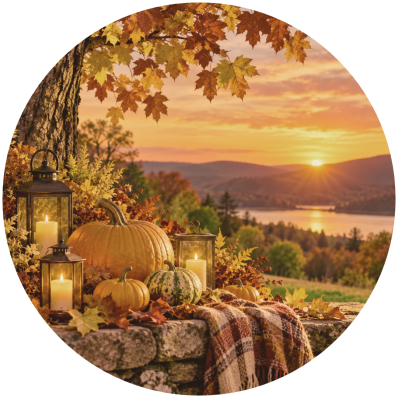
As autumn leaves fall and the days grow shorter, an ancient celebration marks the turning of the seasons. Samhain (pronounced “SOW-in”) in Irish, Nos Calen Gaeaf, in Cymraeg (Welsh), All Saints Day, All Hallow’s Eve, this festival is rooted in the traditions of the Celtic peoples, particularly those of Ireland. Celebrated around October 31 and November 1, Samhain marks the end of the harvest and the beginning of the long nights of winter.
For our ancestors, the changing seasons were more than a matter of weather. Their survival depended upon the land, livestock, and successful harvests. Samhain marked the transition from the warmth and abundance of summer into the cold and uncertain months of winter. It was a time for gathering, feasting, and preparing for the darkness ahead.
In Welsh tradition, a similar seasonal celebration is known as Nos Calan Gaeaf, meaning “the eve of the first day of winter.” Celebrated on October 31, it precedes Calan Gaeaf, November 1. Welsh communities traditionally marked this occasion with bonfires, gatherings, and customs associated with spirits and the supernatural.
One particularly fascinating Welsh legend tells of the Hwch Ddu Gwta, a frightening tailless black sow, believed to roam the countryside after the bonfires (which were used in multiple divinatory practices), had died out. It was said that if you were caught outdoors after dark the Hwch Ddu Gwta would get you. They would shout: “Home, home, be the first home, or the Hwch Ddu Gwta will catch the last.” It is not clear what happened if you were caught!
Both Irish and Welsh traditions associated this seasonal boundary with the Otherworld. Folklore held that the separation between the living and the dead became less certain, allowing spirits and supernatural beings to wander more freely. These beliefs contributed to customs involving disguises, divination, and protection from unwanted visitors. Before costumes were prevalent, people would turn their clothes around backward, or inside out to confuse the spirits on the night of spirits.
As Christianity spread throughout the Celtic lands, older seasonal customs continued alongside Christian observances, including All Saints’ Day and All Souls’ Day. Over centuries, these traditions helped shape the celebration we now recognize as Halloween.
Today, Samhain remains an important festival for many modern Pagans, Druids, and Witches. It is often observed through rituals honoring ancestors, remembering loved ones who have died, and reflecting upon the natural cycles of life and death.
Yet Samhain is not simply a celebration of death or darkness. It reminds us that darkness has its place in nature. Just as the trees release their leaves and the earth rests beneath winter’s cold, we too can embrace periods of rest, reflection, and renewal.
To learn more about preserving your legacy and protecting the people you love, visit Surratt Law to explore our estate planning services.
Travis Clark