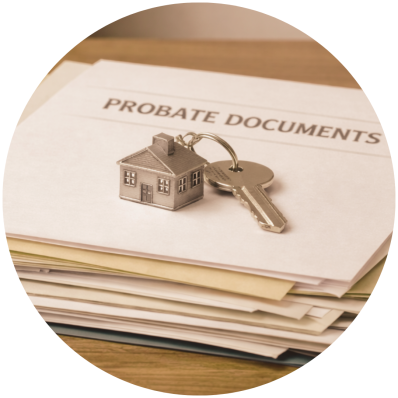
There are a few frequent flyer issues that we see in Nevada when it comes to Estate Planning and Probates. One of the largest issues is that many estates end up requiring full court supervision even when families expect a simple or “quick” process. Probate can be a simple process, but more often than not it is a time-consuming process that requires filings, publication of notices, and dealing with third parties, such as banks, and title companies.
Here are the most frequent Nevada-specific probate problems:
1. Assets That Do Not Automatically Avoid Probate
Nevada allows probate avoidance through tools like living trusts, beneficiary deeds, and TOD/POD designations – but many people:
- Never set them up
- Set them up incorrectly
- Forget to retitle assets into a trust!
Result: a full probate can become mandatory, even for modest estates.
2. Nevada’s Probate Thresholds Catch People Off Guard
Nevada has two different thresholds:
- Personal property: simplified procedures only if under $25,000
- Real property: simplified affidavit only if under $150,000 (which was a recent change to the law).
If either limit is exceeded – even slightly – formal probate is required.
3. Delays Caused by Creditor Claim Periods
Nevada law requires:
- Formal notice to creditors
- A 60 or 90-day waiting period after notice
Even uncontested probates often stall here, frustrating heirs who expect faster distributions.
4. Out-of-State Executors or Heirs
Nevada courts frequently encounter:
- Executors living in another state
- Heirs unfamiliar with Nevada procedures
This creates delays due to:
- Additional filings
- Bond requirements
- Court approval for routine actions
5. Missing or Poorly Drafted Estate Documents
Common issues include:
- Old wills from other states
- Homemade or online wills that don’t comply with Nevada law
- No will at all (intestate succession applies)
These situations often lead to contested hearings or court interpretation, increasing cost and time.
6. Probate Costs Escalate Quickly
Nevada does not have a statutory attorney fee cap. As a result:
- Attorney fees can rise with delays or disputes
- Court costs accumulate
- Bond premiums may be required
Many families are shocked by how quickly expenses grow.
7. Real Estate Is the Biggest Trouble Spot
Probate becomes far more complex when:
- The decedent owned Nevada real property
- Title was not held in a trust
- Multiple heirs inherit jointly
Court approval is often required to sell or refinance property, slowing everything down.
Bottom Line
The most common Nevada probate problem is unexpected complexity caused by incomplete or sloppy planning, especially when real estate is involved. What families assume will be “simple” often turns into a months-long court process. If I had a dollar for each time someone said to me, “oh it will be simple,” I would be a rich human. What seems simple on its surface most often has layers of complexity. Probate is a process which CAN be avoided; however, it requires careful planning and good legal advice. Many lawyers do not teach their clients how to avoid probate, and paralegals cannot give legal advice. Who you choose to speak with about your estate planning needs, matters. Choose wisely my friends.
If you want guidance from a team that understands how to plan carefully and avoid unnecessary probate complications, reaching out to Surratt Law Practice is a smart place to start.